Forest Paths and the Plants That Grow Beside Them
Notes on edible wild plants, seasonal foraging routes, and the long tradition of gathering from Italian woodlands — from Friuli-Venezia Giulia to the Apennine ridgelines.
What Grows in the Forests of Northern Italy
The woodlands of Friuli-Venezia Giulia and the Apennines hold a remarkable diversity of edible plants — wild sorrel, nettles, ramps, chicory, and dozens of mushroom species. The challenge is knowing when, where, and how to look.
Read the guideRecent Articles
Reference material on edible plant identification, foraging routes, and Italian gathering traditions — updated seasonally.
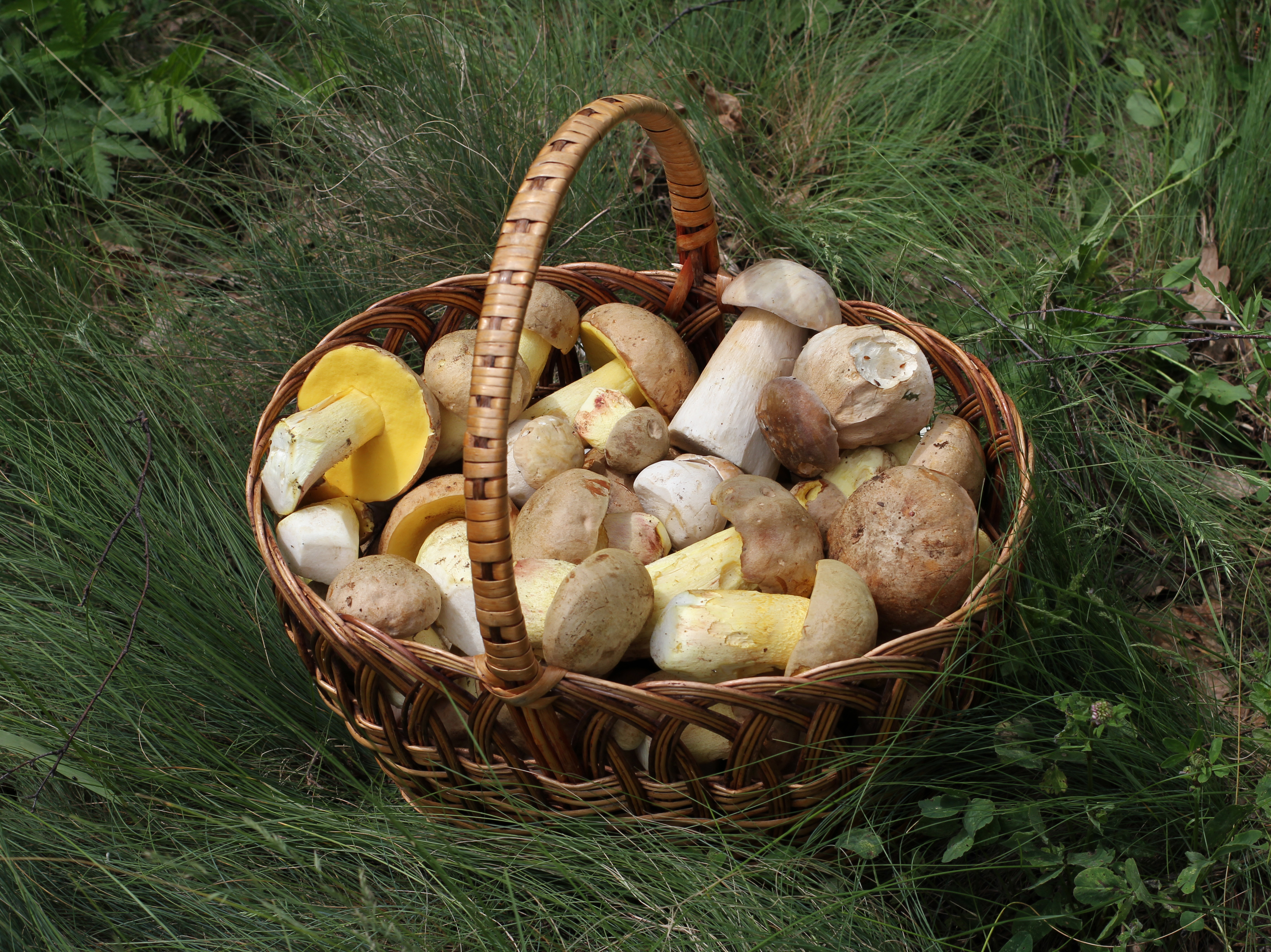
Friuli-Venezia Giulia
Edible Wild Greens Found in the Forests of Friuli-Venezia Giulia
An overview of the most reliably encountered edible greens along the lower forest margins and mountain meadows of northeastern Italy.

Italian Apennines
Seasonal Foraging Calendars Followed in the Italian Apennines
Month-by-month breakdowns of what grows, when it peaks, and what experienced foragers in the Apennines collect through the year.

Plant Identification
Identifying Wild Sorrel, Nettles, and Chicory in Italian Woodlands
A practical field guide to three of the most widespread edible plants in Italy's forests — with notes on lookalikes and safe identification markers.
The Seasonal Calendar of Italian Foraging
Gathering traditions in Italy follow a strict rhythm. Spring brings nettles and sorrel. Early summer adds elderflower and wild garlic. Autumn is the season for porcini, chestnuts, and late chicory. Each region holds its own micro-calendar shaped by altitude and microclimate.
See the calendarKey Plants to Know
Wild Sorrel (Rumex acetosa)
Abundant in meadow margins and shaded stream banks. Recognizable by its arrow-shaped leaves and sharp, acidic taste. Edible raw or cooked.

Stinging Nettle (Urtica dioica)
Found along forest edges and disturbed ground throughout northern Italy. Highly nutritious once blanched. One of the most widely used spring greens.
Wild Chicory (Cichorium intybus)
Characteristic blue flowers along roadsides and open clearings. The young leaves are bitter and prized in Roman and southern Italian cooking traditions.

Wild Garlic (Allium ursinum)
Carpets moist, shaded forest floors in April and May. Leaves, flowers, and bulbs are all edible. Distinguished from lily-of-the-valley by its unmistakable garlic scent.

Chanterelle (Cantharellus cibarius)
One of Italy's most prized wild mushrooms. Found under beech and oak from June through October. The ridged, egg-yolk underside distinguishes it from false chanterelles.
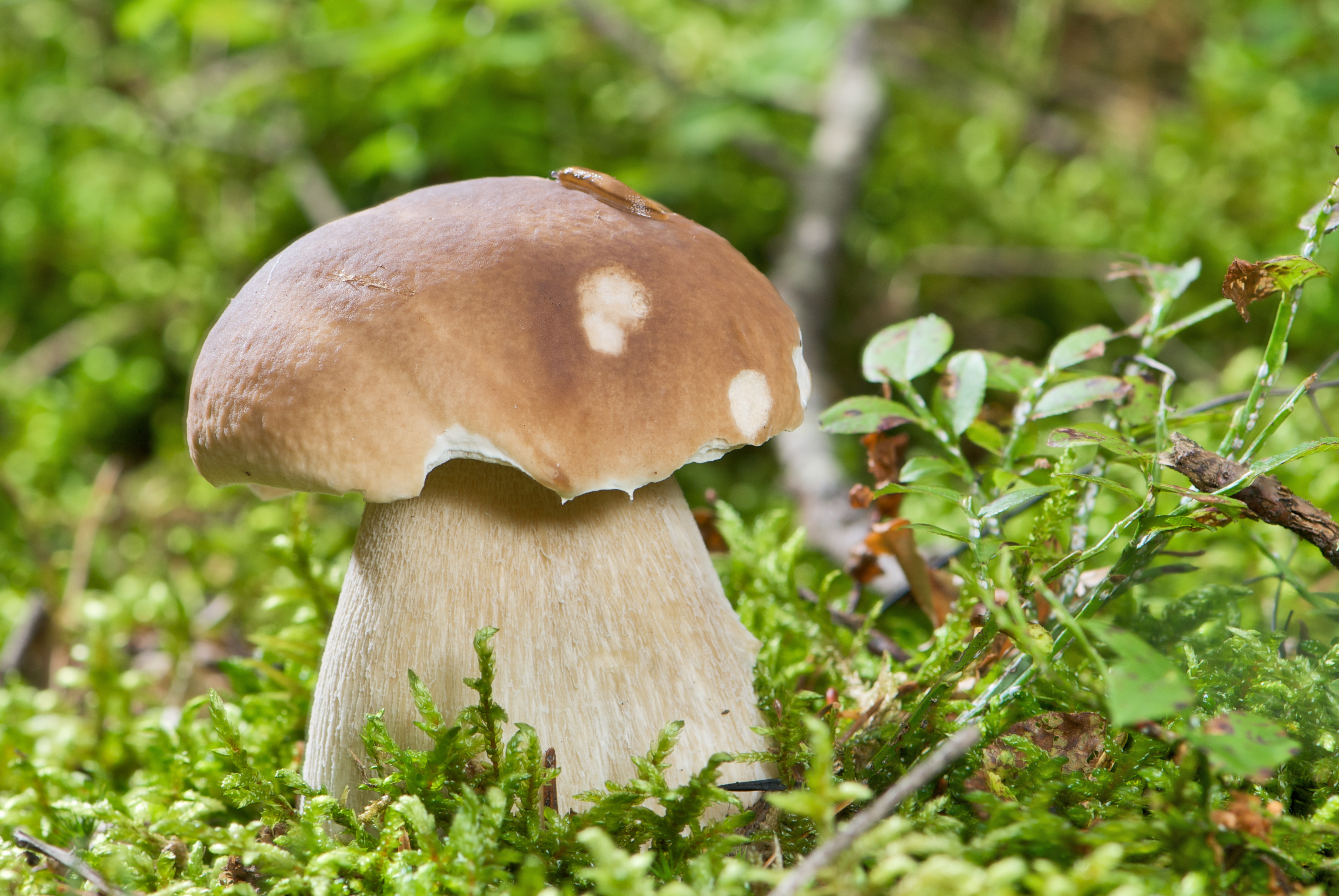
Porcini (Boletus edulis)
The most commercially significant wild mushroom in Italy. Found in coniferous and mixed forests from late summer. The rounded brown cap and white-networked stem are key identifiers.
Forest Foraging in Friuli-Venezia Giulia
The forests of Friuli-Venezia Giulia — from the Carnic Alps down to the Tagliamento plain — contain one of the most intact foraging traditions in northeastern Italy. Communities here have maintained consistent plant knowledge across generations, with seasonal rhythms that reflect both Alpine and Mediterranean influences.
Read the articleSend an Inquiry
For questions about the content on this site, corrections, or regional information requests.